







Search Results for: Coffee Roasting
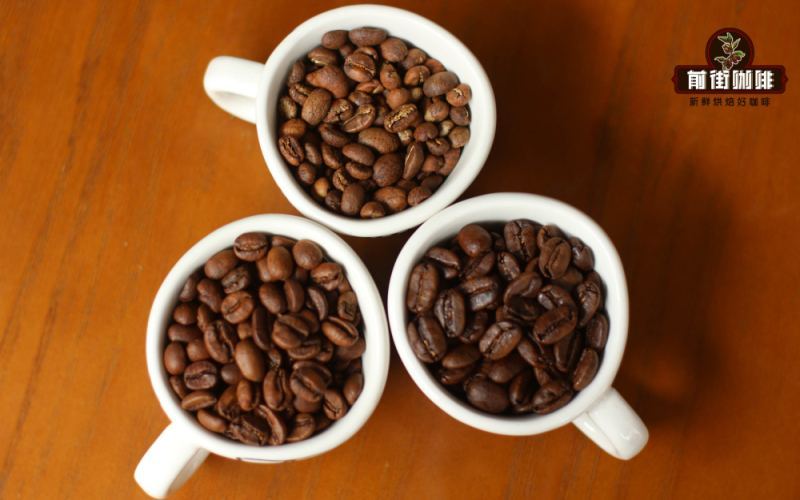
From Light to Dark: A Comprehensive Analysis of Eight Coffee Roast Levels and a Practical Operational Guide
Coffee roasting is the core step that determines the flavor direction of a cup of coffee. From green beans to the drink in your cup, the degree of roast directly governs the balance of acidity, sweetness, and bitterness. This article systematically sorts out eight common roast levels, the working principles of three types of coffee roasters, and the mechanisms by which caramelization and the Maillard reaction shape flavor. It also records in detail Front Street Coffee's operational procedures and curve management experience in actual roasting, helping coffee enthusiasts build a complete cognitive framework from theory to practice. [more…]
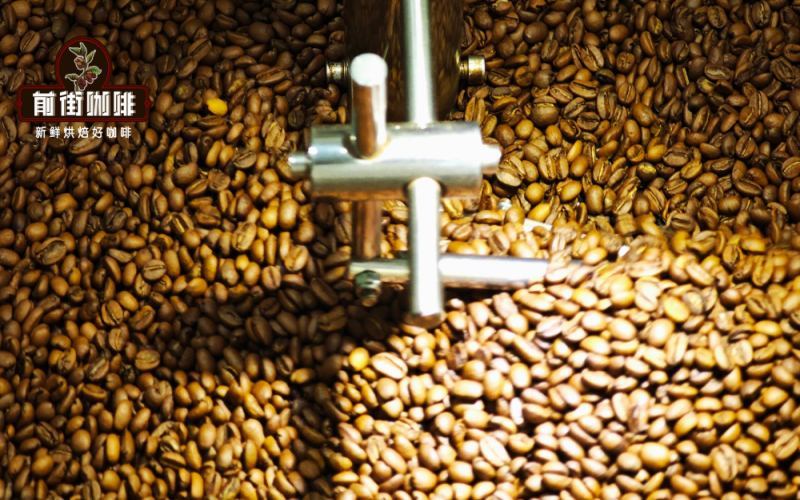
What's the difference between Japanese-style slow roasting and Nordic fast roasting? An in-depth analysis of the flavor differences in Yirgacheffe Worka Red Cherry roasting.
What are the essential differences between the two major schools of coffee roasting—Japanese-style slow roasting and Nordic-style fast roasting—in terms of technique and flavor expression? This article uses Front Street Volcán Red Cherry coffee beans (natural process) as a sample, and through a comparison of two actual roasting curves, breaks down each stage one by one, from charge temperature, heat and airflow adjustment, to the yellowing point and first crack development. Japanese-style slow roasting pursues a steady mouthfeel, pronounced caramelization, and high consistency, with a short resting period; Nordic-style fast roasting emphasizes lifted floral and fruity aromas and a tea-like entry, but places higher demands on green bean quality. The article also analyzes dimensions such as roasted bean appearance, ground coffee color differences, and cupping performance, leading you to a comprehensive understanding of how these two roasting philosophies shape the final flavor of coffee. [more…]
Comparison of Eight Coffee Bean Roast Levels|How do different roast levels affect coffee flavor? What is the specific process for roasting coffee beans?
Anyone who drinks coffee regularly knows that coffee beans come in different roast levels, and the flavor and mouthfeel they present are all different. As a café that roasts its own beans, Front Street has dozens of batches of coffee beans to roast every day. We know the flavors of light-roasted Yirgacheffe, medium-roasted Brazilian coffee, and the like like the back of our hand, and we also need to [more…]
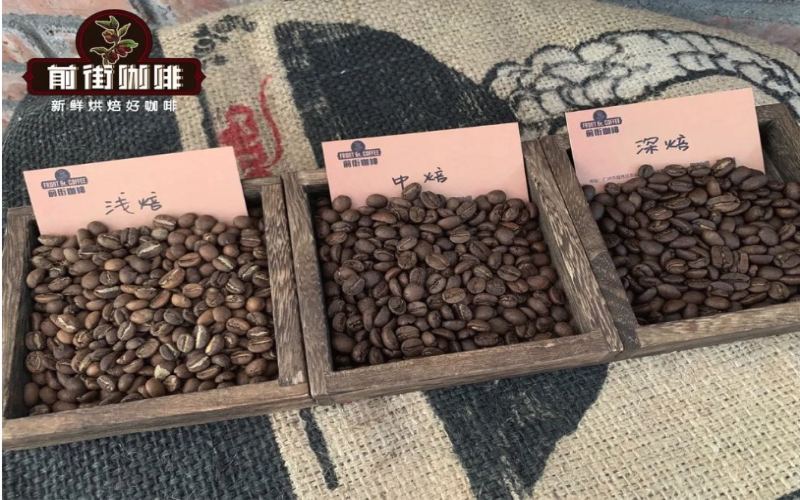
The degree of roasting of coffee beans is determined based on what?
The flavor of coffee, 60% comes from the raw beans, 30% comes from roasting, and 10% comes from brewing. It can be seen that there are many factors affecting the flavor of coffee. Then, as roasters, how to determine the degree of roasting of coffee b [more…]
Practical Comparison of Japanese-Style Slow Roasting vs. Nordic-Style Fast Roasting: Roast Curves and Cupping Flavor Differences of Yirgacheffe Worka Red Cherry
The two major schools of coffee roasting—Japanese slow roasting and Nordic fast roasting—reflect fundamentally different philosophies of tasting: the Japanese value a rich, clean mouthfeel, while the Nordics prefer bright, elevated acidity and aroma. This time, Front Street Coffee selected the sun-dried Yirgacheffe Worka Red Cherry and, through two actual roasting curves, compares the differences between slow roasting and fast roasting one by one—from airflow and heat adjustment, the pace of temperature rise, to the appearance of the roasted beans and cupping performance. Slow roasting is like braising pork until tender, letting heat penetrate evenly; it results in a high degree of development, rounded sweetness, and a short resting period. Fast roasting emphasizes the efficiency of hot air and pursues bright floral and fruity aromas, but it demands stricter quality from the green beans. The article also introduces the origin background of the Worka cooperative and the division of labor at the Banko processing station, and, combining green bean grade, appearance consistency, and actual cupping results, sorts out the applicable scenarios and flavor orientations of the two roasting methods for coffee lovers' reference. [more…]
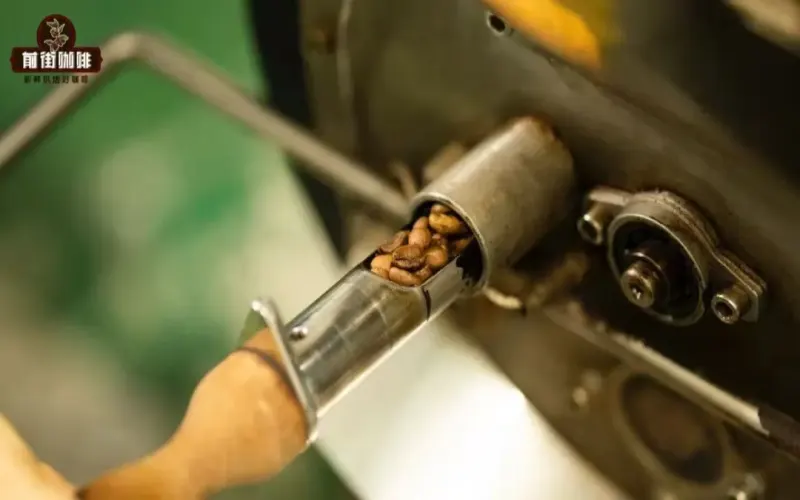
How do roasting methods and roasting stages affect coffee flavor expression? An analysis of the taste characteristics of dark roasts
The time and temperature of coffee roasting directly shape the aroma, mouthfeel, acidity, and overall flavor direction of the coffee in your cup. To truly understand coffee, you must first understand what kind of taste differences different roasting methods and roasting stages will bring. Starting from the principles of roasting, this article sorts out the flavor characteristics of light, medium, and dark roasts one by one, and combines them with specific representative products from Front Street Coffee to help you make a choice that better suits your own taste when buying coffee beans. [more…]

The Japanese Dark Roast School: A Roasting Philosophy That Takes Mouthfeel as Its Faith
In an era when specialty coffee has unmistakably surged toward "light-roast fruit acidity," the Japanese roasting world took the opposite path: roasting beans dark and thorough, pursuing the mellow aesthetics of "sweetness after bitterness." Japanese-style dark roasting is not an accidental product of over-roasting, but a self-consistent philosophical system. Understanding this school will change how you think about what "coffee should [more…]

Where Exactly Do Nordic Roasting and Italian Roasting Differ? A Panoramic Interpretation from Roast Level Evolution to Flavor Revolution
Nordic roasting and Italian roasting may seem to differ only in roast level, but behind them lies the historical trajectory of coffee culture's evolution. Italian and French dark roasts long dominated the coffee world, while the Nordic region, having encountered coffee relatively late, was not bound by a bitter-flavor aesthetic, and instead gave rise to a rebellious light-roast style. From the initial "high-heat blast roasting" to the gentler methods refined by Norwegian roasters, Nordic roasting gradually developed into its own school, and ultimately drove the entire industry to shift from the reign of dark roasts to an era dominated by acidity and light roasts. This article provides a complete overview of this evolutionary process, helping you understand the core differences between the Nordic approach and the Italian style. [more…]
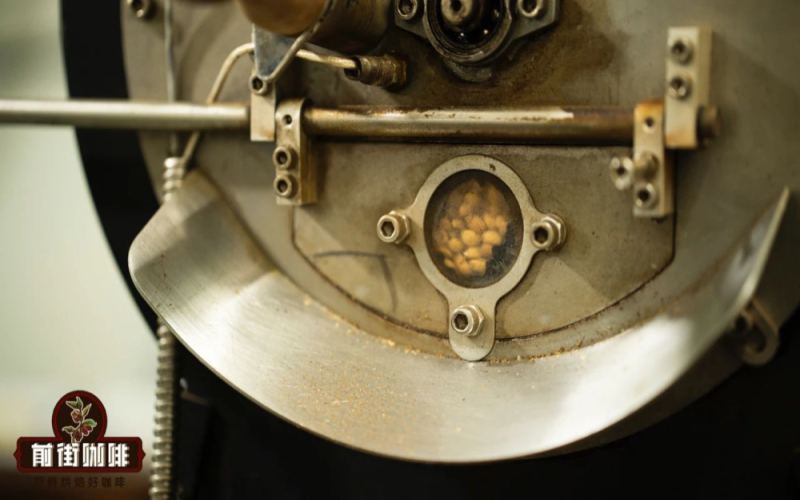
Physical evolution during coffee bean roasting: the entire process from color to porosity to oil migration
Coffee roasting is far more than just applying heat; it subjects green beans to a series of dramatic transformations on both the physical and chemical levels. As the first article in this series, this piece focuses on the physical changes during roasting: from the color shifting from blue-green to brown, to the moisture content plummeting from 10-12% to about 2.5%, to the cell walls going from rigid to rubbery, the beans expanding in volume, porosity increasing, and oils migrating to the surface. These structural changes do not occur in isolation; they provide the necessary preconditions for chemical processes such as the Maillard reaction and caramelization. Only by understanding the physical changes can one truly grasp the relationship between the roasting curve and the final flavor. [more…]
The Flavor Code of Dark Roast and Light Roast: From Beath to Howell, Understanding the Core Differences in Coffee Roasting
Different roasting levels of coffee beans lead to completely different flavor profiles. Starting from the history of coffee, this article tells how Alfred Peet, a pioneer of dark roasting, used heavy roasting to change the face of American coffee, and how George Howell opened up another flavor path on the East Coast with a light roasting approach. The article systematically sorts out the differences between dark roasting and light roasting in color, weight loss ratio, and flavor performance, and points out that dark roasting brings sweetness and body, while light roasting highlights bright fruit acidity and regional character. Whichever one you prefer, as long as there are no negative flavors such as bitterness or saltiness, whether coffee is good or bad ultimately comes down to personal preference. Front Street Coffee recommends a variety of beans with different roasting levels for enthusiasts to choose according to their taste. [more…]

Luckin's Kunshan roasting base breaks ground: second self-built factory boosts annual capacity to 45,000 tons and fresh supply for stores
Luckin Coffee, which now operates over 7,846 stores, is accelerating its upstream supply chain expansion. Following the start of production at its first roasting plant in Pingnan, Fujian, Luckin's second fully automated smart roasting base—independently invested and built in Kunshan, Jiangsu—has recently broken ground and is expected to begin production in 2024. With a total investment of approximately US$120 million, the base covers 53,000 square meters and will have an annual roasting capacity of 30,000 tons, incorporating core equipment such as the Italian BRAMBATI roasting system. By then, Luckin's two major roasting bases will have a combined annual capacity of over 45,000 tons, supplying fresher and safer green coffee beans to stores nationwide while advancing the brand toward its goal of a globalized, refined supply chain. [more…]

Coffee Roasting | How Is the Roast Level of Coffee Beans Determined? What's the Difference Between Espresso Beans and Pour-Over Beans? Which Tastes Better for Huakui Coffee: Medium Roast or Light Roast?
Many friends who want to learn about coffee bean roasting are curious about one question: how to determine the roasting degree of coffee beans. Should a coffee bean be dark roasted or light roasted, and then how light should light be, and how dark should dark be? On what basis does Front Street Coffee determine the roasting of all these coffee beans it sells? [more…]
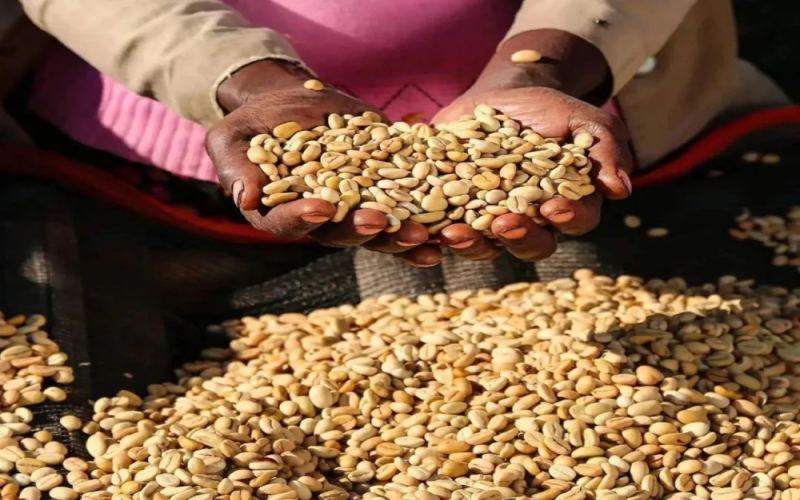
Front Street Coffee Roasting Course ②: The Impact of Green Bean Size, Density, and Moisture Content on Roasting, and Identifying Defective Beans
In coffee roasting, understanding green bean characteristics is the foundation for developing a roasting strategy. Starting from the Front Street Coffee roasting course, this article provides a detailed analysis of how the three key indicators of green beans—moisture content, density, and size—affect heat transfer and flavor development, and systematically introduces the causes and harms of common defective beans such as shell beans, insect-damaged beans, moldy beans, black beans, and white-eye beans. Mastering this knowledge helps with proper screening and adjustment before roasting, ensuring the final coffee flavor is clean and rich. [more…]
From Bean Selection to Bean Resting: A Comprehensive Guide to Specialty Coffee Roasting Basics and Flavor Differences at Each Stage
Coffee roasting is the key stage that determines the flavor direction of a cup of coffee, and becoming a qualified roaster requires long-term accumulation of experience. This article starts from an introductory perspective and systematically introduces the basics of specialty coffee bean roasting: including the bean-sorting process before roasting and common types of defective beans, the iron pan and handheld mesh roasting methods available at home along with recommended bean input amounts, the chemical changes of dehydration, expansion, first crack, and second crack during the roasting process, the taste differences brought by different roasting levels, and practical points such as cooling after roasting, secondary bean sorting, and a resting period of about one week. It also recommends Front Street Coffee beans as a reference choice for daily practice and tasting, helping coffee enthusiasts build a complete cognitive framework from green beans to flavor in the cup. [more…]
Coffee Roasting Practical Insights: How Cupping Became a Core Skill and Essential Course for Roasting Coffee
Want to learn coffee roasting? Why is the first step not touching a roasting pan but practicing cupping? Starting from the apprenticeship experience of a seasoned roaster, this article sorts out the key role of cupping in green bean purchasing, roasting curve setting, and flavor judgment, while reviewing the shifts in China's roasting market over more than two decades and how the concept of specialty coffee has slowly seeped into consumers' awareness. The article also weaves in the philosophy of consistent output and real data on customer cultivation, and includes product recommendations from Front Street Coffee, making it suitable reading for every enthusiast who takes coffee beans seriously. [more…]

The Science of Specialty Coffee | How do you interpret coffee roasting levels and roasting percentages? What are the flavor characteristics of different roasting levels?
We usually talk a lot about coffee bean brewing, but today Front Street Coffee will explain coffee bean roasting knowledge to everyone. We know that the process of coffee beans going from green beans to roasted beans is the roasting process, and this process includes light roast, medium roast, and dark roast. Exactly how should different coffee beans be roasted? At the same time, light roast, medium roast [more…]
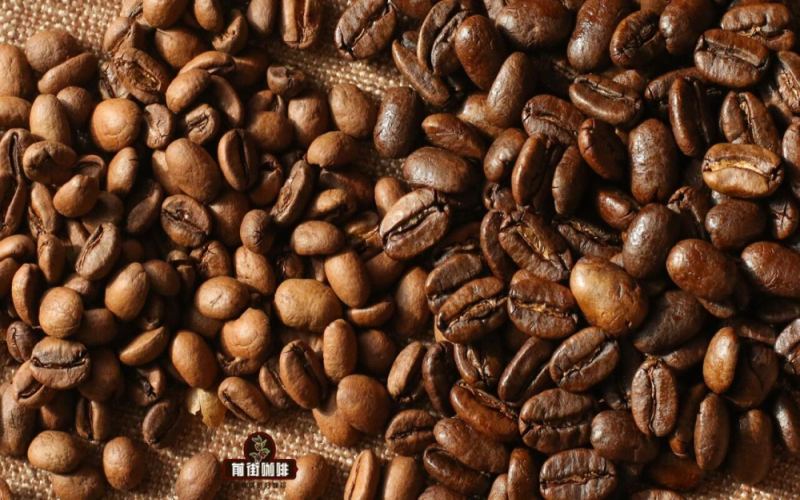
What are the differences between dark roast and light roast coffee beans? Are dark roast beans expensive, and how much do they generally cost?
Should coffee beans be dark roasted or light roasted? This is a long-running debate in the coffee world. Those who favor light roasting believe that it preserves the coffee's origin flavors and floral and fruity aromas to the greatest extent; those who champion dark roasting emphasize that only medium-dark roasting allows the Maillard reaction to complete fully, bringing a rich, full-bodied sweetness and a smooth mouthfeel. Each side has its points, and there is no absolute right or wrong. This article will sort out the core differences between dark roasting and light roasting, introduce the taste characteristics of the three levels—light roast, medium roast, and dark roast—and give specific Front Street Coffee bean recommendations for different flavor preferences, while also answering common questions such as how much dark-roasted coffee beans generally cost and whether they are expensive. [more…]
Espresso Blend Coffee Roasting in Practice: Analysis of Raw Blend Strategies, Density Difference Handling, and Development Rate Control Points
The roasting of espresso blends centers on balancing the density, size, and flavor direction of different bean varieties. Starting from the choice between pre-blend and post-blend, this article combines the blending case of Front Street Colombia Medellin and Front Street Ethiopia Yirgacheffe to break down in detail the logic of adjusting heat, airflow, and moisture during roasting, as well as how to handle combinations of green beans with large density differences through stages such as steaming, heat pushing, and gliding. The article also presents an espresso blend roasting approach with a development ratio controlled at around 25%, and includes measured espresso extraction parameters and flavor descriptions, making it suitable for enthusiasts who wish to gain a deeper understanding of espresso blend roasting. [more…]

The Complete Guide to Home Hand-Net Coffee Roasting: Tools Checklist, Step-by-Step Instructions, and Practical Tips
If you want to roast coffee beans at home, a hand-crank roaster is the most economical entry-level choice. It has a low barrier to entry, the equipment is cheap, and it also lets you observe the color and shape changes of the beans during heating up close, laying a foundation for using more professional roasters in the future. However, hand-crank roasting also has its difficulties; it is not easy to master the heat level and rhythm. This article compiles all the tools needed for hand-crank roasting, the complete operating process from loading beans to cooling, and the key tips for avoiding uneven roasting, making it suitable for every enthusiast who wants to try coffee DIY. Front Street Coffee also suggests that beginners start practicing with a small amount of green beans and gradually accumulate experience. [more…]
From Green Beans to Rich Aroma: A Complete Guide to Coffee Roasting Principles, Home Wire Mesh Roasting, and Ceramic Roasters
The soul of coffee flavor is often determined at the roasting stage. This article systematically sorts out the basic principles of coffee roasting—how green beans are transformed by high heat into roasted beans with a balance of acidity, bitterness, and sweetness—and explains in detail the most economical home mesh-skimmer roasting method: the complete steps and time references from dehydration, first crack, to second crack. It also introduces a ceramic roaster that makes temperature control easier and its operating parameters. The article also recommends Front Street Coffee's everyday drinking bean series, suitable for enthusiasts who want to try roasting at home. Whether you are a beginner just getting started or a seasoned connoisseur looking to refine your skills, you can find practical key points in it. [more…]